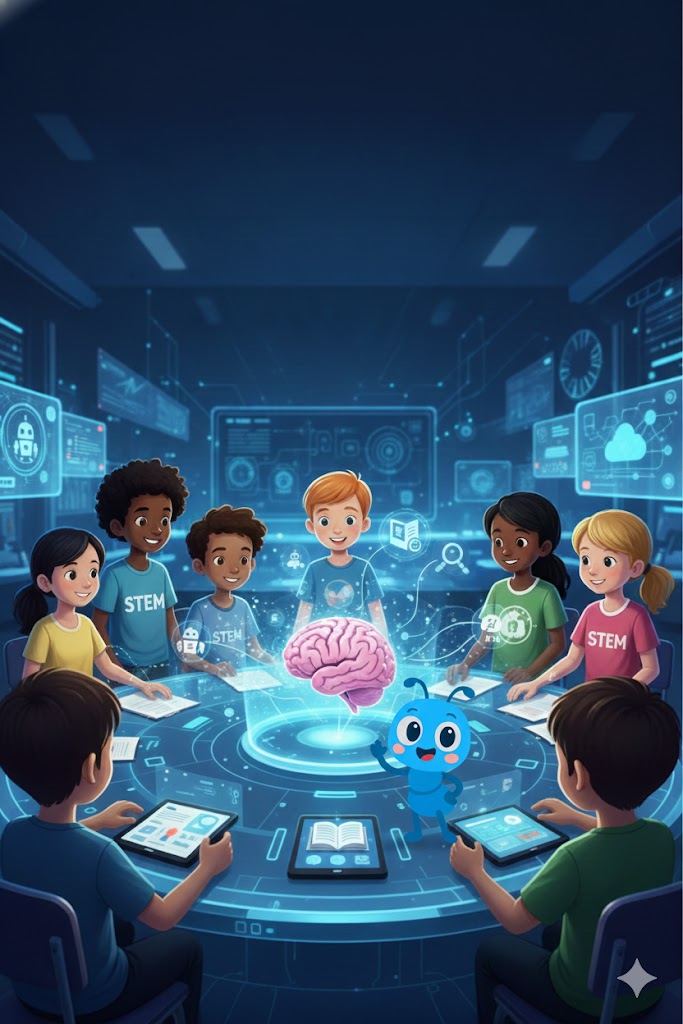
Artificial intelligence is creating a quiet revolution in the education industry. From personalizing learning experiences to automating administrative tasks, AI is unlocking unprecedented possibilities for both teachers and students.
87%
of the world's top universities have integrated AI into their teaching processes in 2025
1. Personalized Learning at Scale
One of the biggest changes is the ability to personalize the learning experience for each student:
- Adaptive Learning: Systems automatically adjust difficulty, pace, and teaching methods based on each student's ability
- Intelligent Tutoring Systems: 24/7 AI tutors that can answer questions and explain complex concepts in multiple ways
- Learning Path Optimization: AI analyzes strengths/weaknesses to suggest optimal learning paths
2. Instant Feedback & Smart Assessment
AI has changed how students receive feedback:
- Instant Grading: Automatic grading for quizzes, programming assignments, and even essays
- Detailed Analytics: In-depth analysis of the entire test-taking process, not just the final result
- Predictive Insights: Predicting which students are at risk of falling behind for early intervention
3. Breaking Language Barriers
AI is democratizing education globally:
- Real-time translation for multilingual lectures
- Automatic and accurate subtitles for educational videos
- Chatbots that support students in their native language
Case Study: Khan Academy's AI tutor "Khanmigo" has helped over 2 million students across 150 countries access quality education for free.
4. Automating Administrative Tasks
Freeing teachers from tedious work:
- Automatic grading and report generation
- Smart scheduling and classroom management
- Automatic creation of teaching materials from curricula
- Attendance management and progress tracking
5. Immersive Learning & Simulation
AI combined with VR/AR creates immersive learning experiences:
- Virtual Labs: Practice dangerous or expensive experiments in virtual environments
- Historical Simulations: "Travel" back in time to experience historical events
- Language Practice: Converse with AI avatars in foreign languages with instant feedback
6. Detecting & Supporting Learning Difficulties
AI helps with early detection of issues:
- Identifying signs of dyslexia, ADHD
- Suggesting teaching methods suited to each type of difficulty
- Special support tools like text-to-speech, speech-to-text
Challenges & Ethical Considerations
However, there are concerns that need to be addressed:
- Privacy: Student data needs to be strictly protected
- Algorithm Bias: Ensuring AI doesn't create educational inequality
- Social Skills: Balancing learning with AI and human interaction
- Digital Divide: Not everyone has access to AI technology
The Future of Education
In the next 5-10 years, we will see:
- Lifelong Learning Companions: AI companions throughout the entire learning journey, not just in school
- Skill-Based Education: Focusing on practical skills rather than degrees
- Micro-credentials: Detailed certificates for specific skills
- AI Teachers + Human Mentors: Combining the strengths of both

Experience the future of education today
AI Study Buddy brings the next-generation learning experience with AI
Explore now